When a dispensary menu lists Indica or Sativa next to popular cali weed strains, that shorthand guides expectations about effects and lineage more than it maps neatly to strict botanical categories. Labels are a blend of historical taxonomy, breeder shorthand and consumer-facing effect claims; understanding the underlying genetics, terpene chemistry and testing practices helps decode what those names mean.
Historical categories versus modern genetic understanding
The traditional Indica/Sativa split originated from early botanical observations about plant morphology and geographic origin rather than chemotype. In practice, many modern commercial varieties are hybrids developed to combine traits like growth habit and cannabinoid ratios, so classification is often a market convenience as much as a scientific designation.
Breeders historically used landrace varieties as starting points, and those landrace histories still influence naming and perceived heritage. Because growers cross lines repeatedly, a strain name can carry pedigree hints but not a guaranteed genetic fingerprint unless supported by lab genetic testing.
Why terpene and cannabinoid profiles matter more than labels
Consumers and clinicians increasingly look beyond Indica/Sativa labels to chemical profiles: dominant cannabinoids (THC, CBD and minor cannabinoids) and terpene signatures (myrcene, limonene, pinene, etc.). Those molecules drive aroma and much of subjective effect, so two so-called Indicas with different terpene mixes can produce distinct experiences.
For readers interested in clinical and pharmacological context, consult the comprehensive review of cannabis pharmacology and medical uses for a deeper look at how cannabinoids and terpenes interact with human physiology: review of cannabis pharmacology and medical uses. That review contextualizes why chemical testing is a core part of modern strain characterization.
Ruderalis and autoflower hybrids: breeder methods and hybridisation
Ruderalis is a less familiar botanical category that breeders use primarily for its autoflowering trait, which initiates flowering based on plant age instead of light cycle. Breeders cross Ruderalis genetics into Indica or Sativa lines to produce hybrids that are easier to grow in certain climates or cycles.
Hybridisation practices vary: some breeders select for cannabinoid content and terpene stability, while others prioritize yield or flowering time. These different priorities affect how a strain is marketed and how accurately a simple label represents its genetics.
Phenotype variation, lab testing, and why strain names change
Phenotype variation occurs when genetically similar plants express different traits due to environment or recessive genes. This is why a grower reporting a terpene-dominant scent in one phenotype might list that phenotype with a slightly different name, even though it descends from the same cross.
Lab testing for cannabinoid percentages and terpene profiles is the most reliable way to compare offerings across vendors. Testing reduces ambiguity by showing actual chemical ranges rather than relying solely on ancestral labels. When exploring cali weed strain names on menus, look for recent lab certificates or consistent terpene reports to confirm expectations.
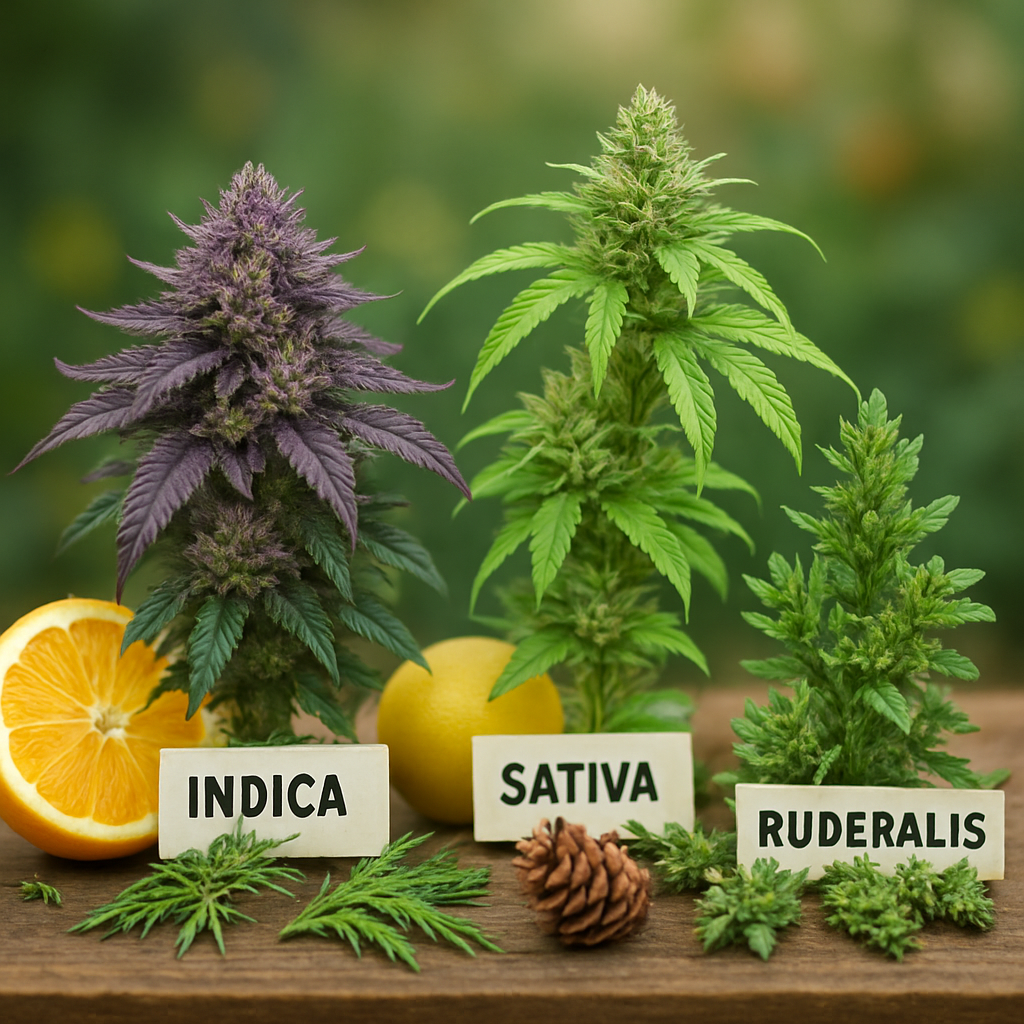
- Indica: often shorter, bushier plants; historically associated with sedative effects but not guaranteed.
- Sativa: typically taller, more open plants; historically linked to uplifting effects but chemically variable.
- Ruderalis: used for autoflower traits, often low THC unless bred into hybrids.
- Hybrid: intentional crosses mixing desired traits from parent lines; chemical profile varies by breeding focus.
Practical guidance: using classification to choose strains
Use Indica/Sativa/Ruderalis labels as a starting filter rather than definitive guidance. Prioritize strains with transparent lab testing that lists cannabinoid ranges and terpene profiles; those data points more reliably predict effects than the label alone.
When cataloging or comparing strains, note breeder statements about lineage and look for consistency across multiple lab runs. If a strain name appears in multiple dispensaries but with divergent terpene or cannabinoid data, treat it as a name-based category rather than a single genetic entity.
Assessing popularity, heritage, and informed choice
Popularity often drives naming and shelf placement: well-known cali weed strains retain market value because consumers associate names with expected effects. However, popularity alone doesn’t ensure genetic consistency across different producers or crops.
To make informed choices, combine category labels with lab reports, breeder notes on landrace influence, and any available genetic testing. This combined approach helps separate marketing nomenclature from meaningful biological and chemical distinctions, giving a clearer view of what a particular strain will likely deliver.